Search Wirewound Resistors

View All Resistors

About Our Wirewound Resistor Portfolio

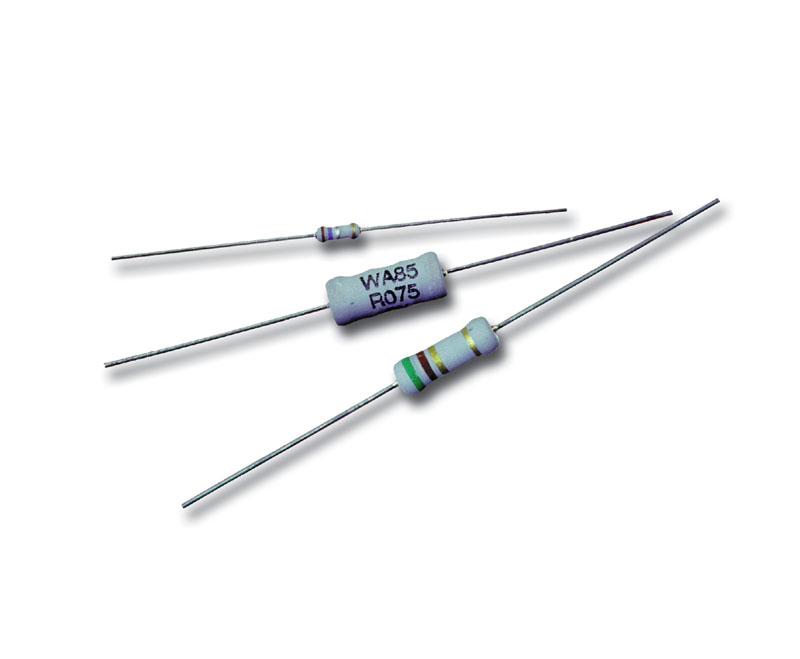
Wirewound resistors are the preferred choice for applications requiring high continuous power dissipation, exceptional surge capability and proven long-term reliability. TT Electronics' portfolio supports demanding power conversion, industrial automation, transportation and energy applications where conventional film resistor technologies cannot withstand sustained electrical or thermal loading, helping engineers achieve dependable performance in high-power and harsh operating environments.

While wirewound technology inherently introduces inductance, it remains the preferred choice where power handling, surge capability and reliability are the primary design requirements.

TT Electronics' Wirewound Heritage
 

TT Electronics' Wirewound Heritage

TT Electronics' resistor heritage spans three market-leading brands — BI Technologies, IRC and Welwyn — with a combined track record of over seventy years in resistive component innovation. Wirewound is the technology where that heritage began: Welwyn's earliest products, in 1937, were vitreous enamelled wirewound resistors, developed over the following decades into the well-known green W20 series. Continued process development has since pushed wirewound construction to higher ohmic values, higher surge energies and tailored fusing performance.
Featured Wirewound Resistor Products

High-Surge (WHS series)

High-Surge (WHS series)

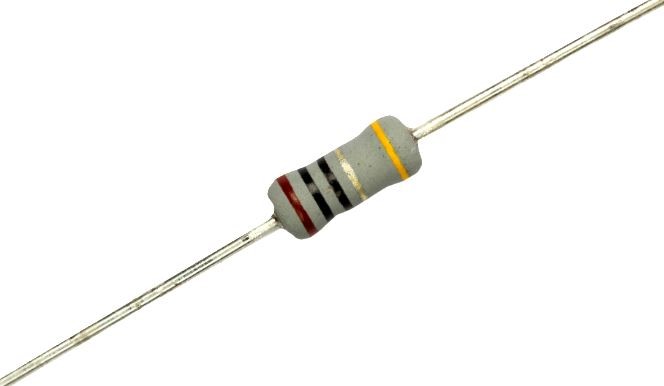
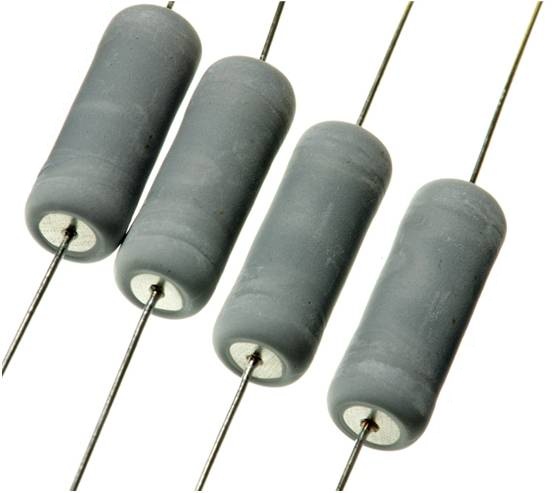
Built to absorb short-duration surge and pulse energy well beyond continuous power rating. The WHS7 is rated 7W continuous, resistance range 1Ω–330Ω, 1% best tolerance.

Aluminium-Housed / High-Power (WH series)

Aluminium-Housed / High-Power (WH series)

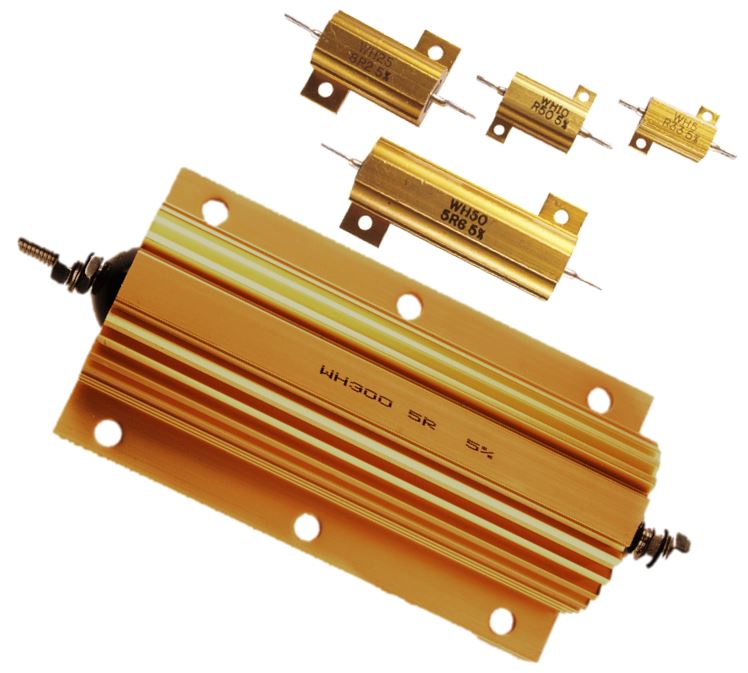
Metal-clad, heatsink-mounted construction for TT's highest wirewound power ratings. The WH50 is rated 50W, resistance range 0.015Ω–120kΩ, 1% best tolerance.

General-Purpose Cement-Coated (WA80 series)

General-Purpose Cement-Coated (WA80 series)

Cement-coated axial construction for general-purpose power applications. The WA84 is rated 3W, resistance range 0.01Ω–2.2kΩ, 1% best tolerance.

Fusible (WA80F series)

Fusible (WA80F series)

Combines wirewound resistance with predictable, controlled fusing behaviour for circuit-protection duty. The WA84F is rated 2W, resistance range 0.2Ω–30Ω, 5% best tolerance.

Industrial power supply electronics
 

Selecting the Right Wirewound Resistor

  • Power Rating — The maximum continuous power a resistor can dissipate at or below its Rated Ambient Temperature. Above the resistor's Critical Resistance, power rating stops being the limiting factor and Limiting Element Voltage takes over — high-voltage, low-current circuits should be selected against voltage rating, not power rating alone.
  • Tolerance & TCR — Best Tolerance and Best TCR define the highest-precision grades available and may apply to a restricted ohmic range. The four confirmed series above range from 1% (WHS7, WH50, WA84) to 5% (WA84F) best tolerance — confirm the specific part's datasheet, not a single series-wide figure.
  • Operating Temperature — Check Rated Ambient Temperature (where full power rating still applies) against Maximum Ambient Temperature (the survival limit). The four confirmed series range from 55°C (WA84F) to 200°C (WHS7, WH50, WA84) maximum ambient — confirm the specific series' figure rather than assuming one site-wide maximum.
  • Environment — For shock, vibration, humidity, altitude or salt-spray exposure, specify parts tested and qualified against the relevant standard rather than assuming a catalogue-standard wirewound part will survive.

Frequently Asked Questions

What is a wirewound resistor used for?

Wirewound resistors are specified for high-power and high-surge applications — including motor drives, braking circuits, energy meters and power conversion equipment — where the wirewound construction's energy-handling capacity matters more than the tight tolerance a film resistor offers.

What's the difference between a wirewound and a film resistor?

A wirewound resistor uses a resistive wire wound around a core, giving it higher power and surge handling for a given size. A film resistor (thick or metal film) uses a thin resistive film instead of wire, favouring tight tolerance and low temperature coefficient of resistance over raw power handling — the right choice depends on whether the application needs power capacity or precision.

What is a high-surge wirewound resistor?

A high-surge wirewound resistor, such as TT Electronics' WHS series, is built to absorb short-duration surge or pulse energy well beyond its continuous power rating — a common requirement in motor-drive and energy-meter circuits where brief high-energy events occur regularly.