Search Pulse Withstanding Resistors

About Our Pulse-Withstanding Resistor Portfolio

Pulse-withstanding resistors are designed to withstand repetitive surge events, inrush currents and transient overloads beyond the capabilities of conventional resistor technologies. TT Electronics offers robust pulse-handling solutions engineered for dependable performance under high-energy electrical stress, supporting applications including switching power supplies, motor drives, renewable energy systems and industrial power electronics. Available in thick-film, wirewound and carbon-film technologies.

TT Electronics' Pulse-Withstanding Heritage
 

TT Electronics' Pulse-Withstanding Heritage

TT Electronics' resistor heritage spans three market-leading brands — BI Technologies, IRC and Welwyn — with a combined track record of over seventy years in resistive component innovation. On the wirewound side, Welwyn's process innovations have pushed constructions to higher surge energies, forming the foundation of today's high-surge wirewound and MELF products.

Read the full BI Technologies, IRC and Welwyn heritage story.
Featured Pulse-Withstanding Resistor Products

Pulse-Withstanding (Anti-Surge) Chip (PWC, HPWC, DSC, HDSC, DPCR series)

Pulse-Withstanding (Anti-Surge) Chip (PWC, HPWC, DSC, HDSC, DPCR series)

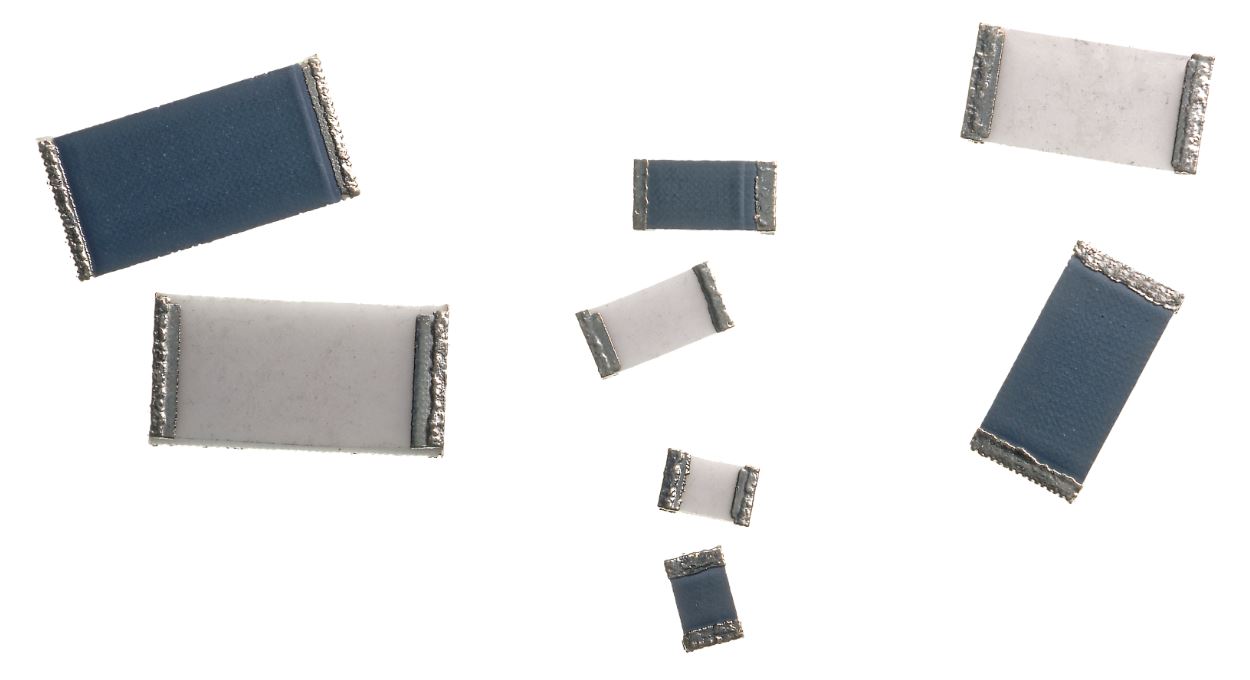
Surface-mount thick-film resistors for pulse and surge duty. HPWC is available from 0805 to 2512, with power ratings from 0.25W to 2W and resistance values from 1Ω to 100kΩ. DSC and HDSC use double-sided resistive constructions to increase pulse capability. DPCR is designed for high-energy defibrillator pulse applications.

Planar Pulse and Power (PWP, BPC, BPR series)

Planar Pulse and Power (PWP, BPC, BPR series)

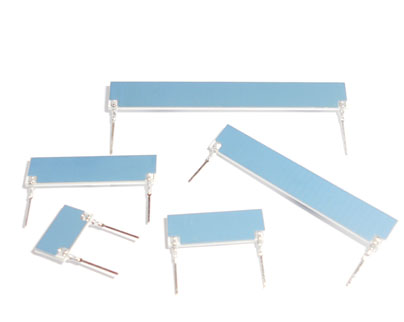
Planar resistor constructions for applications requiring pulse handling alongside board-level power dissipation. PWP is designed specifically for pulse-withstanding duty, while BPC and BPR provide planar power options.

Wirewound High Surge (WHS, HSMW series)

Wirewound High Surge (WHS, HSMW series)

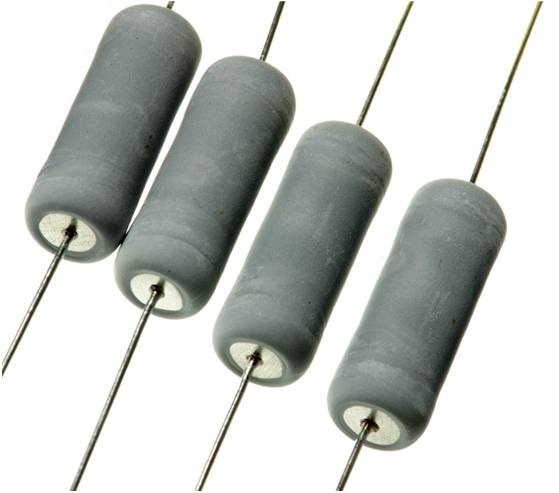
Wirewound constructions for high-energy pulse and surge events. WHS combines continuous power handling with enhanced short-duration energy capability and is available in selected non-inductive constructions. HSMW provides high-surge performance in a MELF-style wirewound package.

Carbon Film MELF (WCM series)

Carbon Film MELF (WCM series)

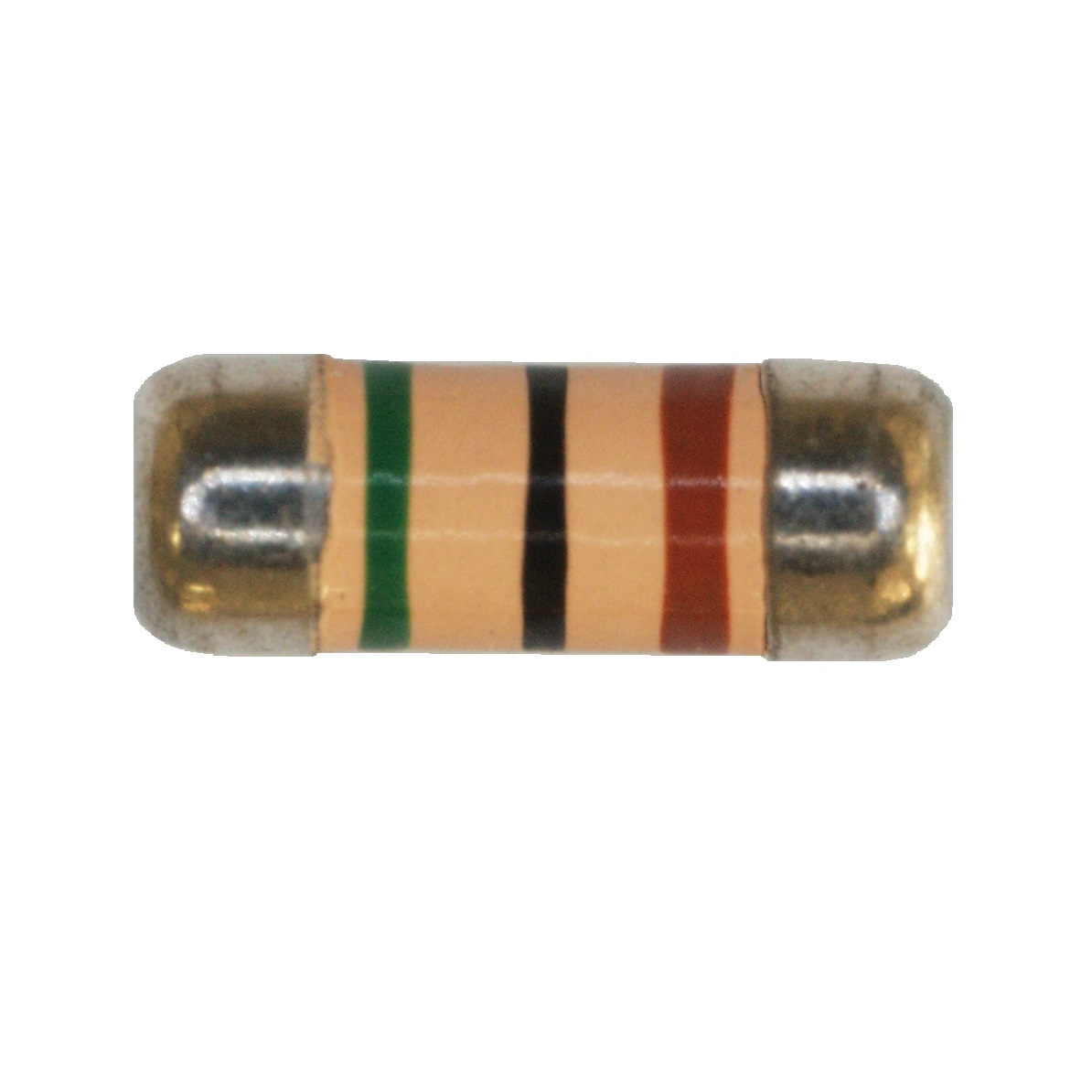
High-pulse carbon-film MELF resistors for applications requiring a cylindrical surface-mount package with enhanced pulse capability. Select the specific part against its continuous power, resistance, pulse-energy and peak-voltage limits.

Industrial power supply electronics
 

Selecting the Right Pulse-Withstanding Resistor

  • Continuous Power vs. Pulse Capability — A resistor's continuous power rating assumes sustained dissipation under defined thermal conditions. Surge and inrush events must also be checked against pulse duration, peak power, energy, waveform and repetition rate. Use the single-pulse and repetitive-pulse data provided for the specific series.
  • Voltage — High-energy pulses can also impose high peak voltage. Check pulse-voltage capability and Limiting Element Voltage as well as pulse power or energy; see the High-Voltage Resistors category where voltage withstand is the primary requirement.
  • Technology — Use chip and planar constructions for compact PCB designs, wirewound constructions where high pulse energy and sustained power are priorities, and carbon-film MELF products where a cylindrical surface-mount package and enhanced pulse capability are required.
  • Tolerance & TCR — Best Tolerance and Best TCR identify the highest-precision grades available and may apply only over restricted resistance ranges. Confirm the values for the exact part rather than applying one figure across an entire series.
  • Operating Temperature — Check the Rated Ambient Temperature, where full continuous power applies, against the Maximum Operating or Ambient Temperature. Elevated temperature can reduce both continuous power capability and the permissible repetitive pulse load, so apply the datasheet derating guidance.

Frequently Asked Questions

What is a pulse-withstanding resistor?

A pulse-withstanding resistor is designed to tolerate short-duration electrical pulses or surges that exceed its normal continuous power level without unacceptable resistance change or damage. Suitability depends on the pulse waveform, peak voltage, peak power or energy, duration and repetition rate.

What is the difference between a pulse-withstanding chip resistor and a standard chip resistor?

A pulse-withstanding chip resistor is designed to distribute transient electrical and thermal stress more effectively than a conventional general-purpose chip. Depending on the series, this may involve specialised resistive patterns, elimination of laser-trim weak points or double-sided resistive elements, allowing higher pulse energy or peak voltage for a given package size.

Is a pulse-withstanding resistor the same as a surge or anti-surge resistor?

The terms are often used for the same general purpose: resistors designed for transient electrical stress above normal steady-state conditions. The important distinction is not the label but the specified pulse waveform, energy, peak voltage, duration and repetition rate that the particular resistor is qualified to withstand.

Which technology should I choose for inrush or surge protection?

Choose according to the actual surge profile. Thick-film pulse chips such as PWC and HPWC suit compact surface-mount circuits; double-sided thick-film products such as DSC and HDSC increase pulse capability within chip formats; wirewound series such as WHS suit applications combining high pulse energy with sustained power; and carbon-film MELF products such as WCM provide an alternative surface-mount construction. Always compare the application pulse with the series pulse-performance curves rather than selecting by continuous wattage alone.

Related resistor categories: All Resistors  |  Wirewound Resistors  |  High Voltage Resistors