Search Current Sense Resistors

About Our Current Sense Resistor Portfolio

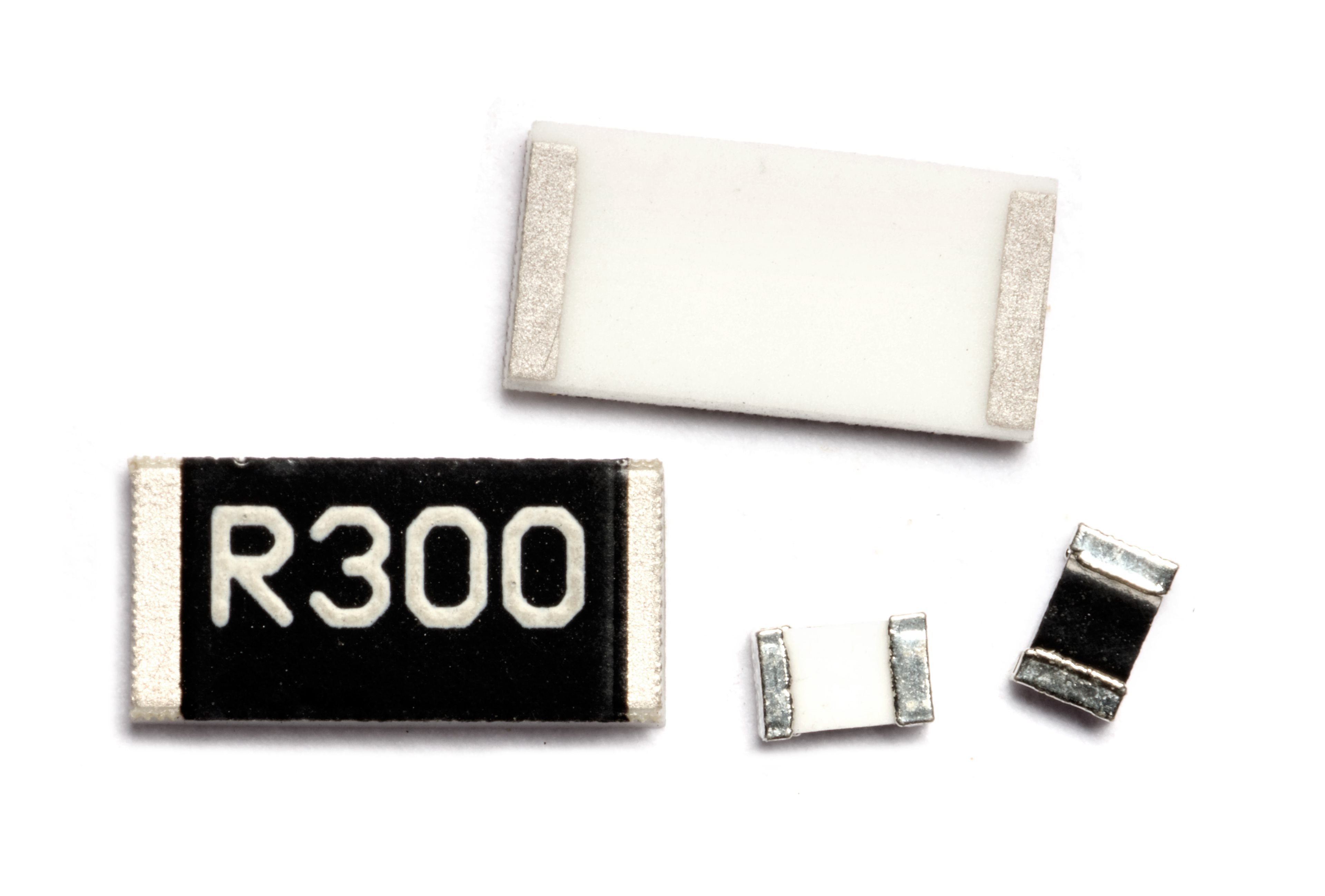
Current sense resistors enable accurate current measurement while minimising power loss in high-efficiency electronic systems. TT Electronics offers precision current sensing solutions engineered for low resistance, strong thermal performance and dependable long-term stability, supporting applications including AI infrastructure, battery management systems, electric vehicles, industrial motor drives and advanced power conversion. Available in metal alloy, metal element, metal foil, thin-film and thick-film technologies, the portfolio includes resistance values down to 50µΩ and shunt solutions designed for current measurement in the hundreds of amps.

TT Electronics' Current Sense Heritage
 

TT Electronics' Current Sense Heritage

TT Electronics' resistor heritage spans three market-leading brands — BI Technologies, IRC and Welwyn — with a combined track record of over seventy years in resistive component innovation. Current sensing draws on IRC's innovations in low-ohmic-value metal element parts in the 1990s, alongside the thick-film and thin-film processes developed across BI Technologies and Welwyn.

Read the full BI Technologies, IRC and Welwyn heritage story.
Featured Current Sense Resistor Products

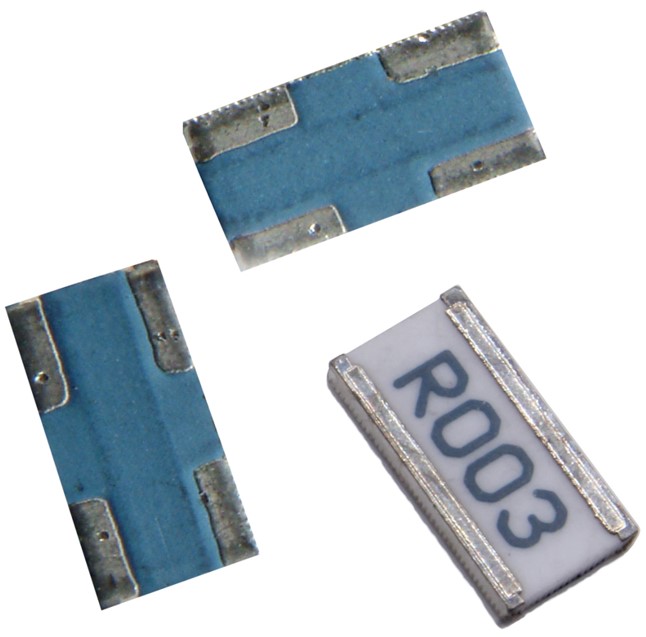
Metal Alloy Surface-Mount (LRMA, LRMAH, LRMAP, LRMAK series)

Metal Alloy Surface-Mount (LRMA, LRMAH, LRMAP, LRMAK series)

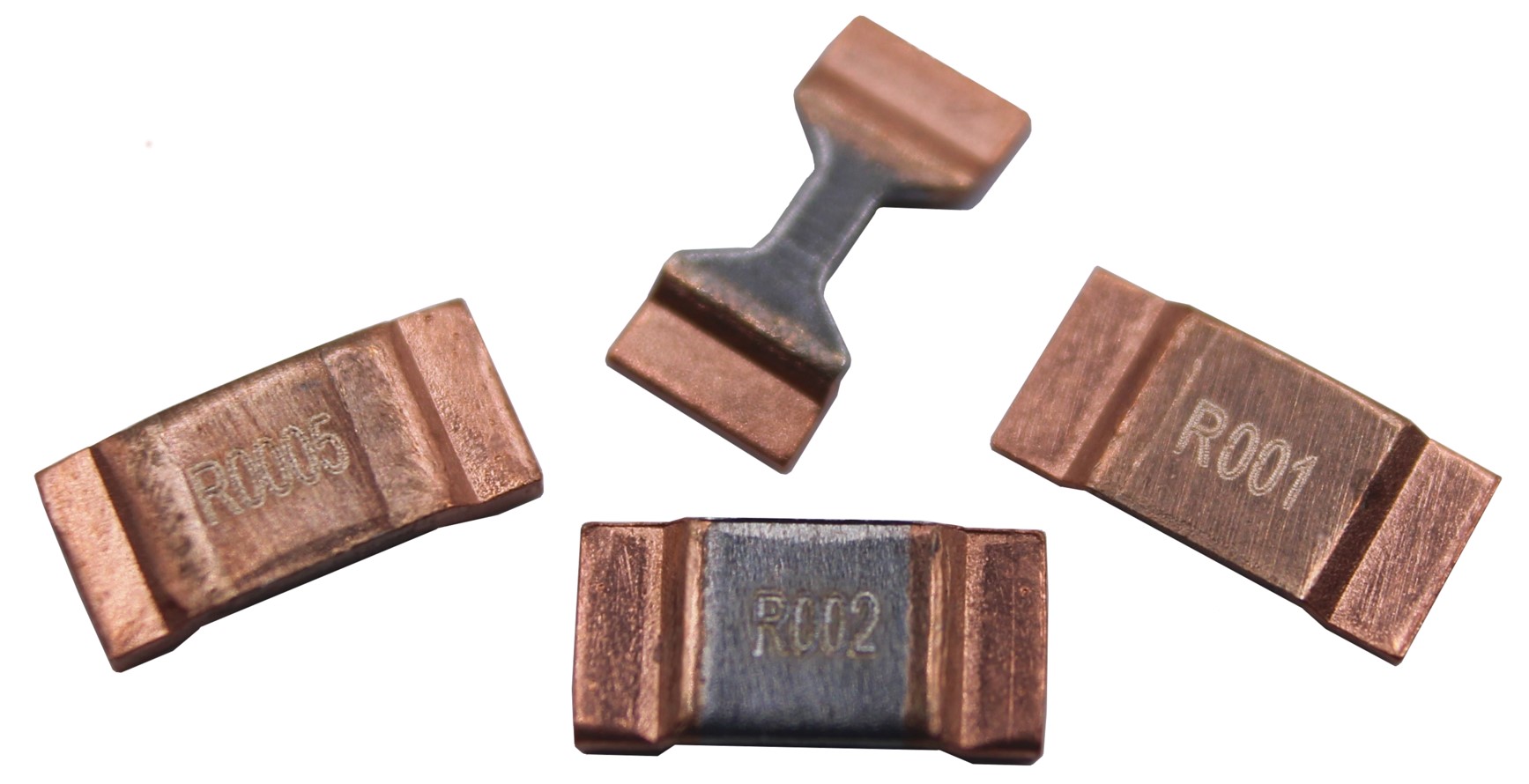
Low-resistance metal alloy elements for board-level current sensing. The LRMA family includes standard, high-power, inverse and low-thermal-EMF variants, with resistance values down to 0.5mΩ. LRMAP extends the available power rating, while LRMAK provides Kelvin four-terminal connections for more accurate voltage measurement. Selected products are AEC-Q200 qualified; confirm ratings and qualification against the specific datasheet.

Flat and High-Power Chip (LR, LRF3W, LRF4W series)

Flat and High-Power Chip (LR, LRF3W, LRF4W series)

Low-value flat-chip resistors for compact current sensing, including higher-power 3W and 4W options. Selected products are AEC-Q200 qualified. Confirm the applicable resistance range, tolerance and rated power against the individual series datasheet.

Metal Element and Open-Air (ULR, LOB, OAR, OAR-TP, OARS series)

Metal Element and Open-Air (ULR, LOB, OAR, OAR-TP, OARS series)

Metal element resistors for higher currents and low TCR. OAR open-air resistors offer TCR down to 20ppm/°C and power ratings from 1W to 5W, with selected products approved to applicable defence specifications. ULR covers power ratings from 1W to 5W, with selected products AEC-Q200 qualified, while OARS provides a surface-mount open-air format.

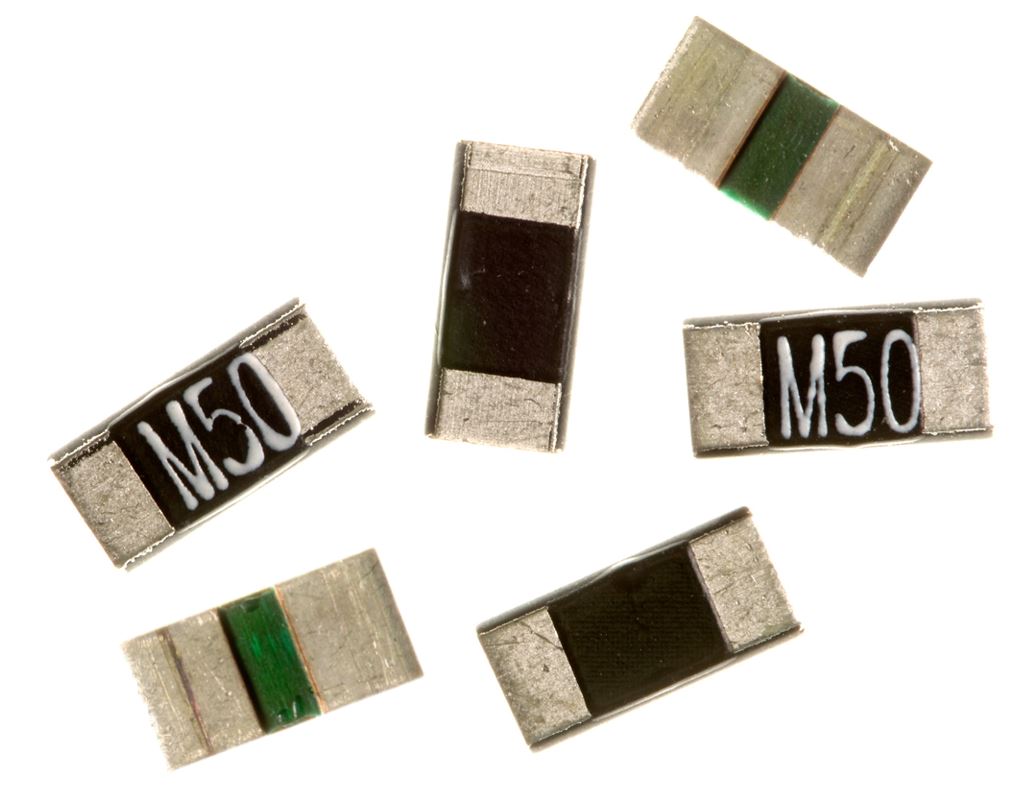
Metal Foil on Ceramic (MFC series)

Metal Foil on Ceramic (MFC series)

Metal foil chip resistors covering low resistance values from 2mΩ to 100mΩ and power ratings from 0.25W to 2W. Selected products are AEC-Q200 qualified.

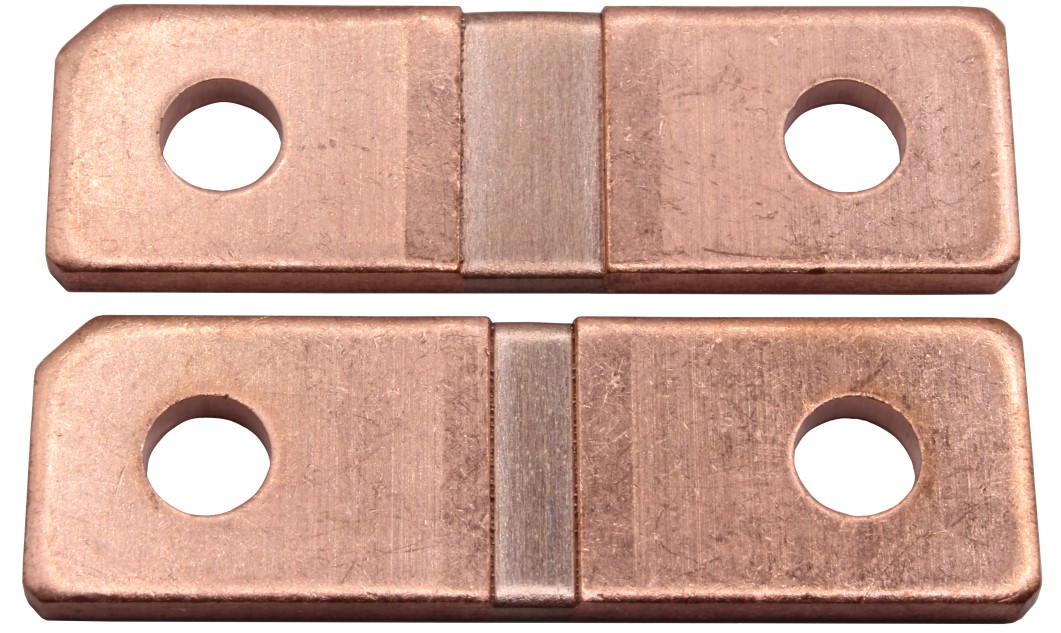
E-Beam Welded Power Shunts (EBW5216, EBW8518)

E-Beam Welded Power Shunts (EBW5216, EBW8518)

E-beam welded shunts for high-current measurement. EBW5216 is rated at 15W and offers 50µΩ and 100µΩ values, while EBW8518 extends the range to higher power. These busbar-mounted shunts use robust copper terminals and separate voltage-sense connections to support accurate measurement at very low resistance.

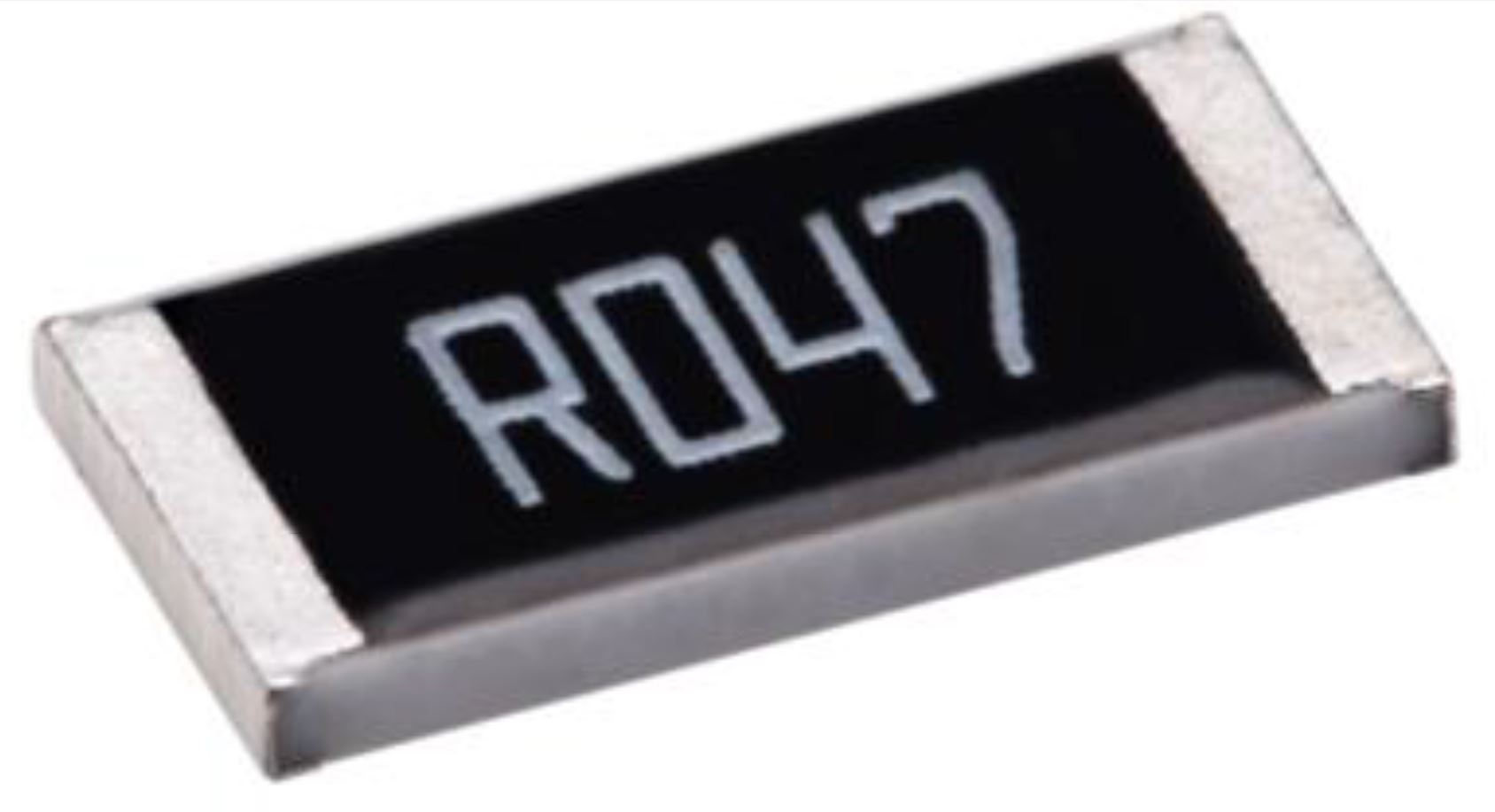
Film Chip (LCS thin film, LRCS thick film)

Film Chip (LCS thin film, LRCS thick film)

Compact current sense chip resistors for applications requiring higher resistance values than metal alloy or metal element shunts. LCS uses thin-film technology for precision and stability, while LRCS uses thick-film technology for compact, cost-effective current measurement.

Industrial power supply electronics
 

Selecting the Right Current Sense Resistor

  • Resistance vs. Power Loss — A lower resistance value reduces power loss, calculated as P = I²R, but also produces a smaller measurement signal. Choose the lowest value that still provides sufficient signal for the current-sense amplifier across the required current range.
  • Kelvin (Four-Terminal) Sensing — At milliohm and micro-ohm resistance values, lead, terminal, copper trace and solder-joint resistance can create significant measurement error. Use a Kelvin or four-terminal part, such as an appropriate LRMAK or EBW configuration, to separate the current path from the voltage-sense path.
  • TCR & Stability — Low TCR helps keep the measurement stable as the resistor self-heats and ambient temperature changes. Also review load-life stability and thermal EMF where very low resistance values and small sense voltages are involved.
  • Power Rating — Calculate dissipation at maximum current using P = I²R and apply the datasheet derating curve. For current sense resistors, thermal design, PCB copper area, busbar connection and heatsinking can be as important as the nominal power rating.
  • Estimating Current Capability — The theoretical current at rated power can be estimated using I = √(P/R). For example, 36W at 0.05mΩ gives approximately 849A. This is not automatically the permissible continuous current; verify terminal temperature, mounting, conductor size, contact resistance and datasheet derating before designing near that level.
  • Technology — Metal alloy and metal element technologies suit the lowest values and highest currents; metal foil supports low resistance with strong stability; and thin-film and thick-film chips suit compact designs at higher resistance values.

Frequently Asked Questions

What is a current sense resistor?

A current sense resistor, also called a shunt resistor, is a low-value resistor placed in the current path. The voltage developed across it follows Ohm's law, V = IR, allowing a controller, amplifier or monitoring circuit to calculate the current.

How do I choose a current sense resistor value?

Balance measurement signal against power loss. A higher resistance produces a larger sense voltage but dissipates more power, while a lower resistance improves efficiency but requires the measurement circuit to resolve a smaller voltage. Calculate maximum dissipation using P = I²R, then check tolerance, TCR, thermal EMF, overload capability and derating.

What is a Kelvin current sense resistor?

A Kelvin current sense resistor uses separate connections for carrying current and measuring voltage. This four-terminal arrangement prevents resistance in the current terminals, PCB traces and solder joints from being included in the sensed voltage, improving accuracy at milliohm and micro-ohm values.

What is the difference between metal alloy, metal foil and thick film current sense resistors?

Metal alloy or metal element resistors are generally preferred for very low resistance values, high current and strong pulse capability. Metal foil resistors provide low resistance with good precision and stability. Thick-film current sense resistors offer compact, cost-effective surface-mount solutions, usually at higher resistance values and with less precision than specialist alloy or foil constructions.

Should I use a shunt resistor or a Hall-effect sensor?

Use a shunt resistor when low cost, compact size, wide bandwidth and direct electrical measurement are priorities. Use a Hall-effect sensor when galvanic isolation or non-contact measurement is required, or when insertion loss must be avoided. The final choice also depends on current range, accuracy, temperature drift, isolation voltage, response time and available board space.

Related resistor categories: All Resistors  |  Metal Film Resistors  |  Thick Film Resistors