Search Fusible Resistors

About Our Fusible Resistors Portfolio

Fusible resistors combine resistance functionality with controlled circuit protection, providing predictable fusing under defined overload or fault conditions. TT Electronics offers fusible solutions engineered for reliable normal operation, surge capability and controlled fault response, supporting power supplies, appliance controls, HVAC systems, metering, LED drivers and industrial electronics. Selected series are UL recognised.

TT Electronics' Fusible Heritage
 

TT Electronics' Fusible Heritage

TT Electronics' resistor heritage spans three market-leading brands — BI Technologies, IRC and Welwyn — with a combined track record of over seventy years in resistive component innovation. Fusible products draw on Welwyn's wirewound heritage: continued process development has enabled higher ohmic values, higher surge energies and customised fusing performance.

Read the full BI Technologies, IRC and Welwyn heritage story.
Featured Fusible Resistor Products

Wirewound Fusible (WA80F, ULW, WHS-UL, FMW series)

Wirewound Fusible (WA80F, ULW, WHS-UL, FMW series)

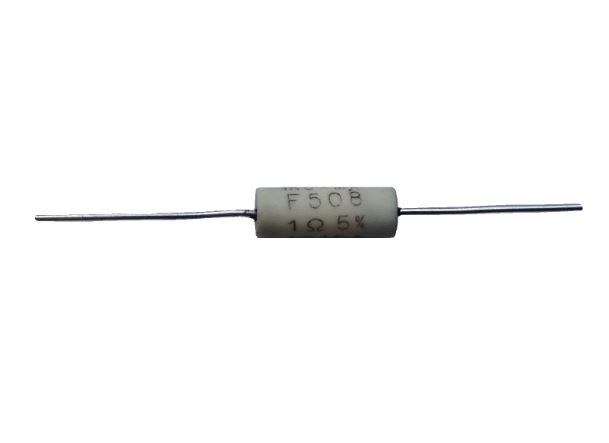
Fusing functionality built into wirewound constructions. WA80F includes the WA84F, rated at 2W with a resistance range of 0.2Ω–30Ω and 5% best tolerance. ULW provides UL-recognised wirewound construction, WHS-UL combines high-surge capability with fusible performance, and FMW provides fusible wirewound construction in a MELF package. ULW, WHS-UL and FMW are approved to UL 1412.

Metal Film Fusible and Flameproof (EMC series)

Metal Film Fusible and Flameproof (EMC series)

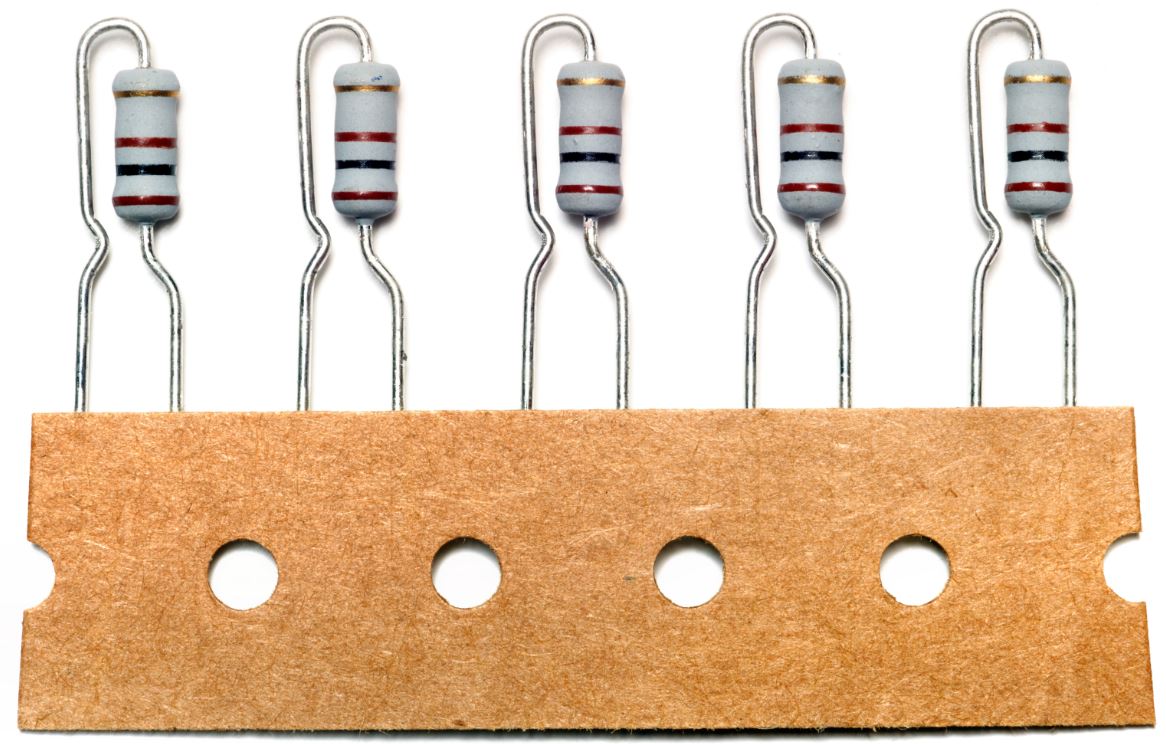
EMC fusible metal film resistors combine a flameproof coating with defined fusing performance and pulse-withstanding capability. The range includes radial-taped options such as EMC2R and is approved to UL 1412. Confirm resistance range, rated power and fusing characteristics against the specific datasheet.

Dual-Function Fuse Resistors (FS series)

Dual-Function Fuse Resistors (FS series)

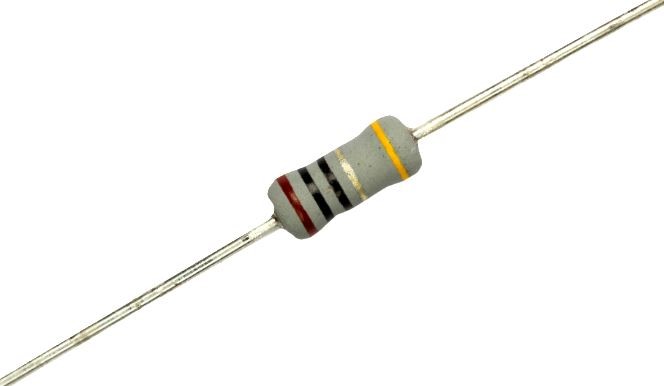
Dual-function components that combine a precision resistor and a fuse in one package. Individual parts are specified by resistance, rated power and fusing current, allowing the component to perform its normal resistive function before opening under a defined overload.

Fusible Chip (FCR series)

Fusible Chip (FCR series)

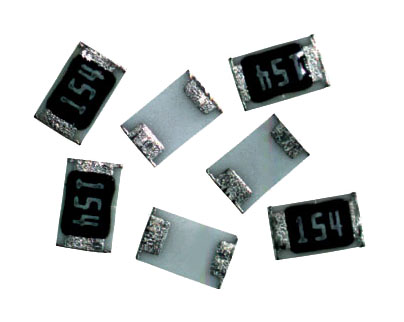
Surface-mount fusible chip resistors in common case sizes, including 0603, 0805 and 1206. The range supports compact circuit protection where a conventional leaded fusible resistor is unsuitable.

Industrial power supply electronics
 

Selecting the Right Fusible Resistor

  • Normal Operation vs. Fusing — A fusible resistor has two roles: carrying normal current as a resistor and opening under a defined overload. Choose the resistance and power rating for normal operation first, then check the time-to-fuse or fusing characteristic against the expected fault current.
  • Inrush Current Limiting — In power supplies and chargers, a fusible resistor may also limit switch-on inrush current. Select a resistance value that controls inrush without causing excessive normal-operation loss, then verify that permitted start-up pulses will not trigger nuisance opening.
  • Surge Capability — Check that the component can tolerate expected start-up, inrush and repetitive pulse events without opening or drifting outside specification. High-surge fusible series such as WHS-UL are designed for circuits where both surge tolerance and defined fusing behaviour are required.
  • Safety Approval — Where UL 1412 recognition is required, select an approved series, including applicable EMC, FMW, ULW or WHS-UL products, and confirm the approval for the exact series and part number.
  • Power Rating — The maximum continuous power a resistor can dissipate at or below its Rated Ambient Temperature. Above the resistor's Critical Resistance, power rating stops being the limiting factor and Limiting Element Voltage takes over.
  • Operating Temperature — Check the Rated Ambient Temperature, where full power rating still applies, against the Maximum Ambient Temperature, which is the upper operating limit. Apply the specified derating curve at elevated ambient temperatures.

Frequently Asked Questions

What is a fusible resistor?

A fusible resistor performs as a resistor during normal operation but is designed to open safely under specified overload or fault conditions. It can provide current limiting, voltage dropping or inrush control while also adding a defined protective function.

What is the difference between a fusible resistor and a fuse?

A fuse is primarily a circuit-protection device with very low resistance during normal operation. A fusible resistor has a deliberate resistance value and performs an electrical function in the circuit before opening under a defined overload. A fusible resistor should not be treated as a direct replacement for a fuse unless the circuit and applicable safety requirements allow it.

What is the difference between a flameproof and a fusible resistor?

A flameproof resistor is constructed or coated to resist ignition and flame propagation during overload. A fusible resistor is designed to open under specified fault conditions. A component may be both flameproof and fusible, but the terms describe different characteristics and should not be used interchangeably.

Are TT Electronics fusible resistors UL recognised?

Selected TT Electronics fusible resistor series are approved to UL 1412, including applicable EMC, FMW, ULW and WHS-UL products. Recognition is not universal across every fusible resistor, so confirm the exact series and part number against the datasheet and UL file information.

Where are fusible resistors used?

Fusible resistors are used in power supplies, chargers, appliance controls, HVAC equipment, energy metering, LED drivers and industrial electronics. Typical roles include inrush-current limiting, voltage dropping and controlled opening during overload or component failure.

Related resistor categories: All Resistors  |  Wirewound Resistors  |  Pulse Withstanding Resistors